
01
Body Dysmorphia & Body Image
For the constant checking, comparing and fixation on appearance — toward peace, not forced positivity.

Anna Soroka · Registered Psychotherapist
Scene 01 — The noise
You should eat healthy.
You should be fit.
Clear skin. A flat stomach. Long, healthy hair.
Or — love your body.
Embrace every feature. Never hide anything.
Feeling heard is already a fresh step.
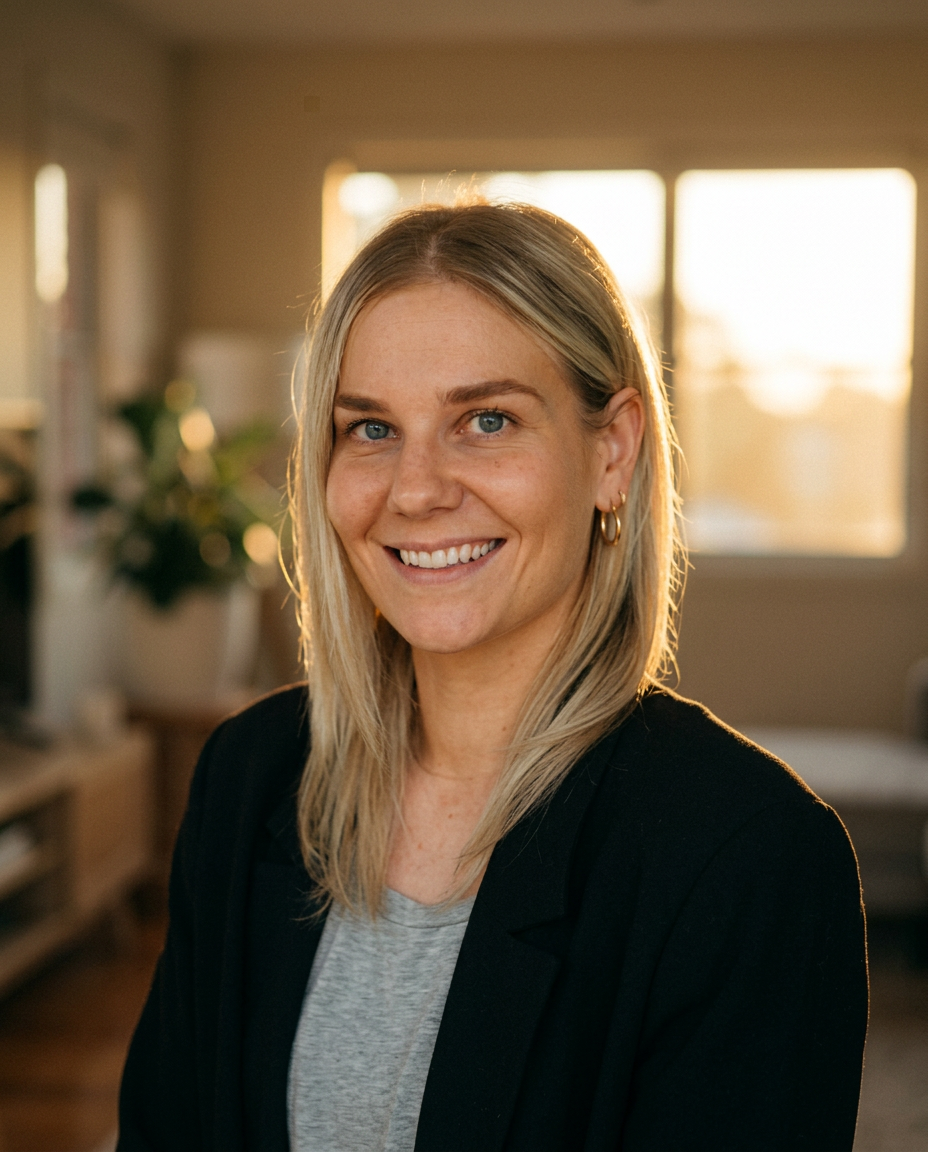
Scene 02 — Meet Anna
My own relationship with my body, weight and confidence hasn't always been easy, and living with Graves' disease added another layer. I know firsthand how hard it is when your body doesn't feel fully within your control.
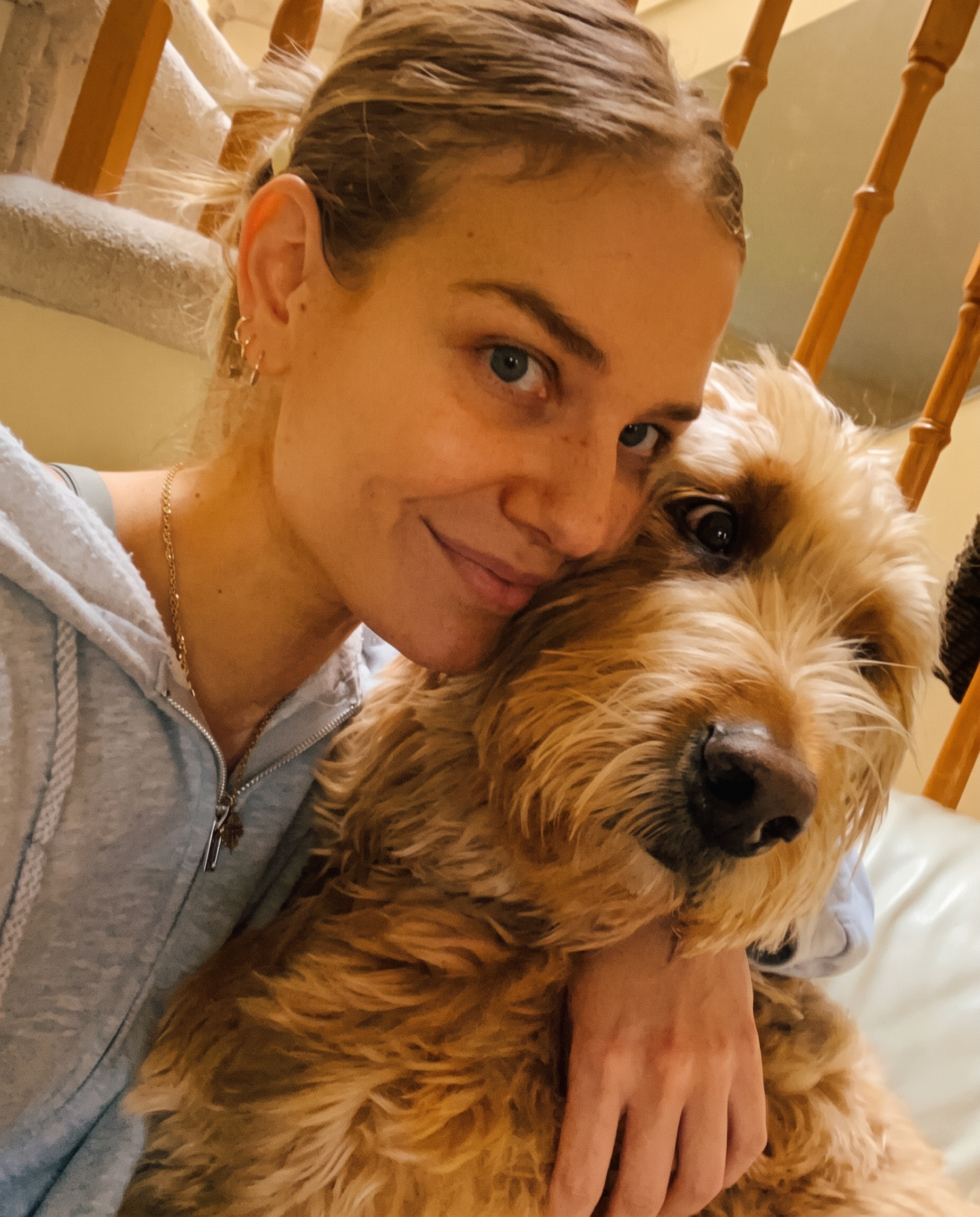
I hold a BA in Sociology and an MA in Counselling Psychology. My passion is supporting people with body dysmorphia, disordered eating, body image and confidence — so they can build a life rooted in their values, not defined by how they look. Outside the room: Pilates, my dog Koba, travelling, my husband, and simply being present.
Outside the room


“You don't have to have the whole path mapped out. You don't have to feel like you need to be fixed. You just have to take the next step.”
— Anna
Scene 03 — What I specialize in
For the constant checking, comparing and fixation on appearance — toward peace, not forced positivity.

Breaking free from diet culture and cycles of restriction, bingeing or food noise.

Communication, trust, conflict and reconnection, grounded in the Gottman Method.

Perfectionism, burnout, and self-worth tied to appearance or achievement.
Also here for
Anxiety
Trauma
Depression
Addiction-related concerns
General therapy
Scene 04 — Is this you?
Constant food noise or scrutinizing your body
Fear around “forbidden” foods
Guilt that follows you after eating
Cycles of restriction and bingeing
Self-worth tied to body shape or weight
Avoiding social events over body image anxiety
If any of this feels familiar, you're in the right place. You don't need “love your body” positivity forced on you. You need peace — and a relationship with food, your body and yourself that actually functions.
Scene 05 — My approach
Acceptance & Commitment — psychological flexibility so hard thoughts have less power over your actions.
Cognitive Behavioural — reshaping the thought patterns behind anxiety and self-criticism.
Dialectical Behaviour — practical skills for intense emotions and distress tolerance.
Research-backed couples work — communication, conflict, trust and connection.
Why me
A space to be honest — including about the things you haven't said out loud anywhere else. I bring lived understanding, not theory alone.
CRPO · ~4 years clinical experience
Registered Psychotherapist
Yorkville University · 2019–2021
Master of Arts, Counselling Psychology
York University · 2011–2017
Bachelor of Arts, Sociology

Final scene — Three steps